selected item
Article
Approach to Indigenous and Northern contracting and procurement
Article
“We are interested in continuing to collaborate with communities and governments to invest in programs to support economic prosperity in the North.”
Imperial anticipates more than 20 years of local work ahead and understands how important it is for Northern and Indigenous businesses to have early visibility into upcoming contracting and procurement opportunities to plan effectively. Imperial will continue to work directly with contractors to maximize Indigenous and Northern benefits.
Following end of production, the majority of work going forward will be contractor led. Decommissioning work will take place under existing work permits and contracts.The transition to Interim Care and Maintenance, remediation, and reclamation will create long‑term opportunities for economic participation. Imperial remains committed to collaborating with our contractors to support local workforce involvement.
Our economic inclusion commitment
Imperial’s commitment to maximizing Indigenous and Northern economic development throughout the life of this project, guided by the following principles:
- Support long-term Indigenous business growth through capacity building and shared learning
- Maintain strong Indigenous content plans embedded in contracting decisions
- Use Indigenous suppliers that meet safety, quality and technical standards and are price competitive
- Provide clear information and training on procurement processes and expectations
Imperial's demonstrated results in Indigenous and Northern development are shown in these examples:
- Since 2020, more than $130M in goods and services sourced from Sahtu and Northern businesses (~40%+ total spend).
- Established Indigenous community JV partnerships to benefit Sahtu communities including the Sahtu United/Waterline and Tlegohli Reclamation Services Advisian (TRSA).

Imperial achieved $1.2B in Indigenous spend in 2025 across Canada
The MVEIRB Environmental Assessment (EA) process will define key components of the closure program, including structure removal, re‑grading and reinstatement, material disposal, waste management, and metal and concrete recycling. The EA’s final land‑use decisions and clean‑up criteria will guide the overall work plan and associated scopes of work.
As additional information becomes available through ongoing closure planning and the EA process in the coming years, Imperial will share anticipated scopes and timelines with Sahtu United (SUI), TRSA , and other Northern and Indigenous contractors interested in the project.
As Imperial advances Indigenous and Northern development opportunities for the closure activities, it will apply a contracting approach that prioritizes communities located closest to the Norman Wells site, which includes:
Tier 1 |
Tier 2 |
|
|
Local Sahtu Indigenous community‑owned (51%+) businesses and partnerships designed to direct economic benefits to the region (employment, business development, JV partnerships). |
Individual Indigenous businesses, non‑region Indigenous community‑owned enterprises, non-Indigenous full-time Sahtu residents. |
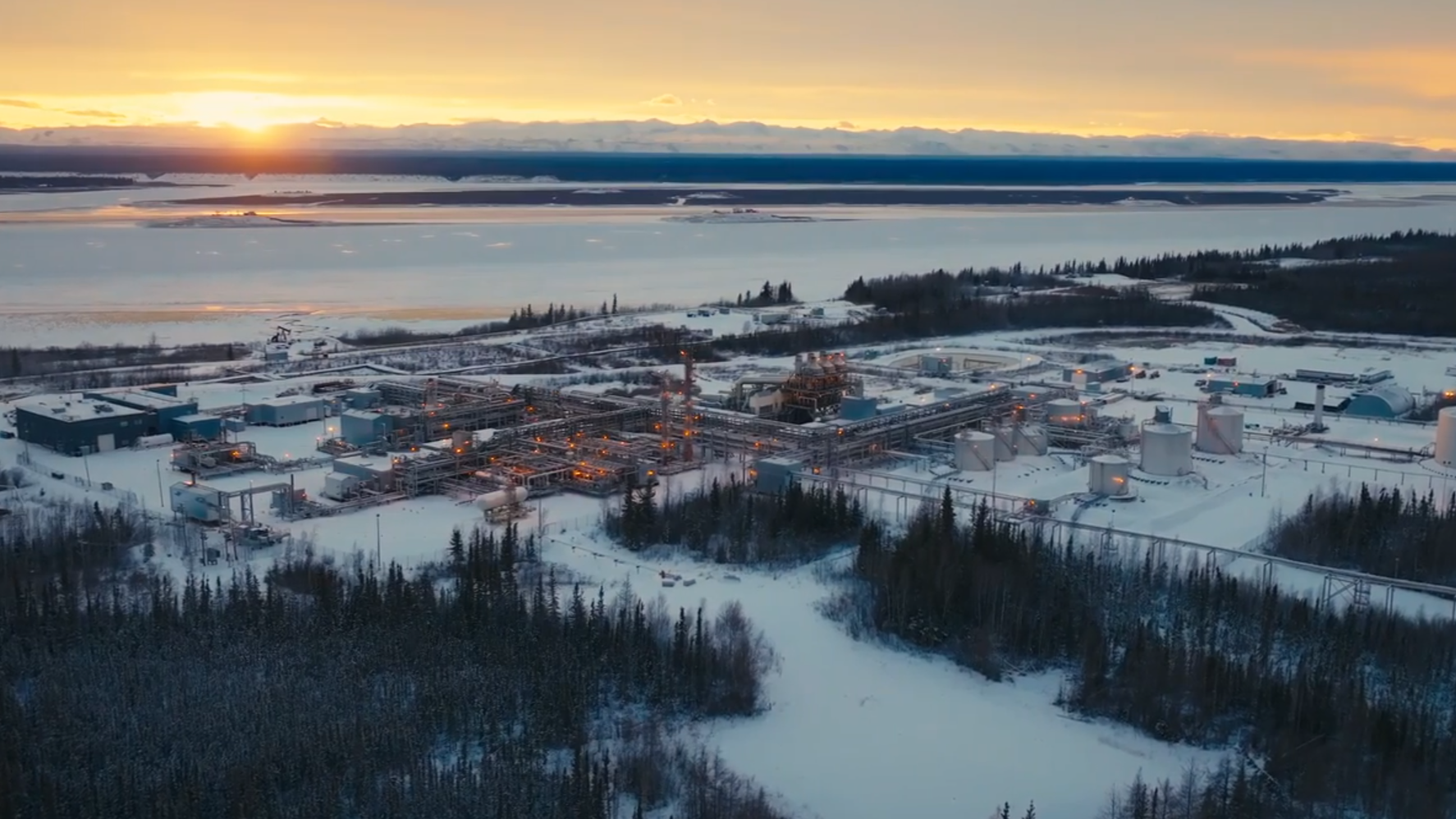
Norman Wells closure
The closure project is a decades-long, community-involved process that prioritizes safety, environmental care, and Northern and Indigenous benefits.