selected item
Article
Returning properties to productive use
Article
Imperial manages properties across their full lifecycle. This includes former operations sites such as gas stations, well sites, terminals and refineries. When a site is no longer needed, it becomes a surplus property. These sites are assessed, cleaned up and prepared for new uses.
A qualified environmental professional leads the assessment to check if the site meets environmental and human health standards set by regulators, including conducting soil and groundwater testing. Imperial follows all regulatory requirements to address site conditions and protect both people and the environment.

Our approach
There are several ways to remediate a property. Our teams consider the interests of various stakeholders when selecting site-specific, science-based and cost-effective approaches to remediation.
We are committed to innovation across our company, and surplus properties are no exception. Some approaches we’ve taken in the past include removing and replacing soil, using traditional methods to treat soil on site and deploying enhanced contaminant-eating microbes.
No matter the approach, our goal is to return surplus properties to productive use – whether for homes, parks, agricultural or commercial use, involving stakeholders and communities as needed throughout the process.
Our process
Related content
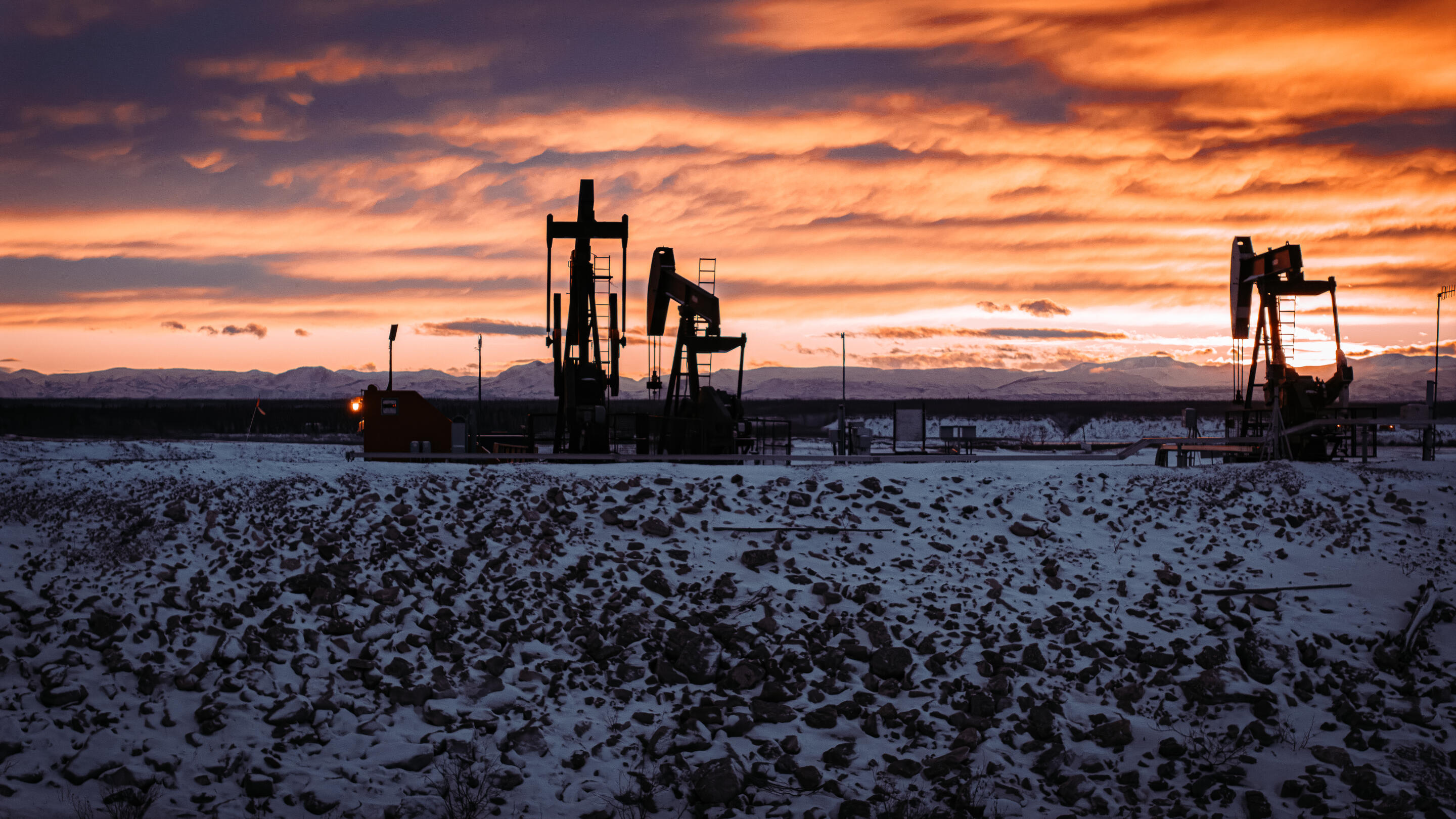
The end of an era at Norman Wells
- After more than 100 years, Imperial’s Norman Wells operation in the Northwest Territories has been safely shut in.
- Imperial drilled its first discovery well in Norman Wells in 1920, laying the foundation for what would become one of Canada’s longest-producing oil fields.
- After deactivation and decommissioning, plans for closure and reclamation will continue to advance.
2 min read
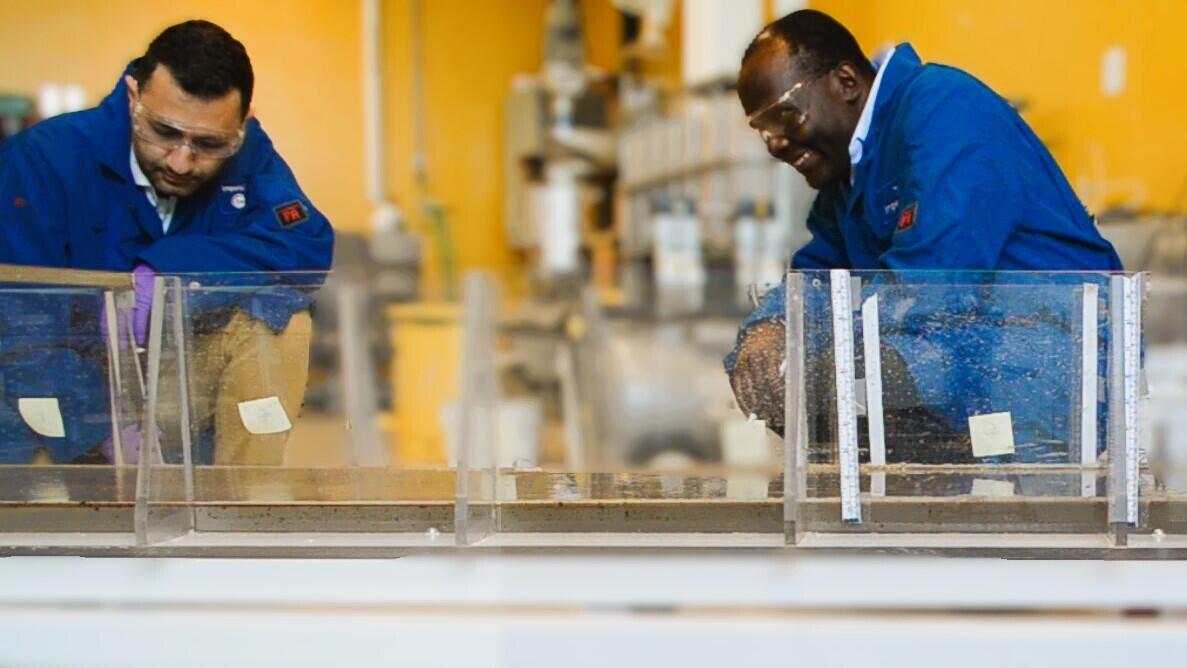
Eight years, one goal: Reuse more water at Kearl
- Imperial’s Enhanced Thickened Tailings (eTT) technology received up to $12.8 million from Emissions Reduction Alberta to advance toward commercialization.
- The eTT process speeds water recovery and improves tailings drainage and supports better water reuse and long‑term reclamation at Kearl.
- Developed by a cross‑disciplinary team starting in 2017, the technology proved successful in lab and pilot trials with larger‑scale testing planned ahead of a potential 2027 deployment.
2 min read