selected item
Article
3 min read
Environmental monitoring
Article
3 min read
Environmental monitoring helps us understand the health of the land, water, fish, wildlife, and surrounding environment as planning for the future of the site continues. By collecting scientific information, learning from Indigenous Knowledge, and working with communities and regulators, Imperial can better understand environmental conditions today and track changes over time.
Communities and Indigenous governments play an important role by sharing feedback, participating in monitoring activities, and contributing local and traditional knowledge. This helps ensure decisions are informed by both science and community knowledge and supports the long-term care of the land and water in the region.
Imperial conducts a number of different monitoring programs on fish, water, flowline management, and reclamation. Reporting on these programs can be found in the document library.
The Aquatic Effects Monitoring Program
The Aquatic Effects Monitoring Program is part of Imperial's Norman Wells environmental monitoring programs to assess and report on water quality and fish health in the region. The Aquatic Effects Monitoring Program was developed through working group meetings that included the Sahtú Land and Water Board, community leadership, and community members.
The program is designed to answer practical questions such as:
- Are aquatic ecosystems and how people use them being protected near the Norman Wells Operations?
- Are there short‑term or long‑term changes in water or fish that might occur as water flows past the site?”
Aquatic Effects Monitoring Program Newsletters
-
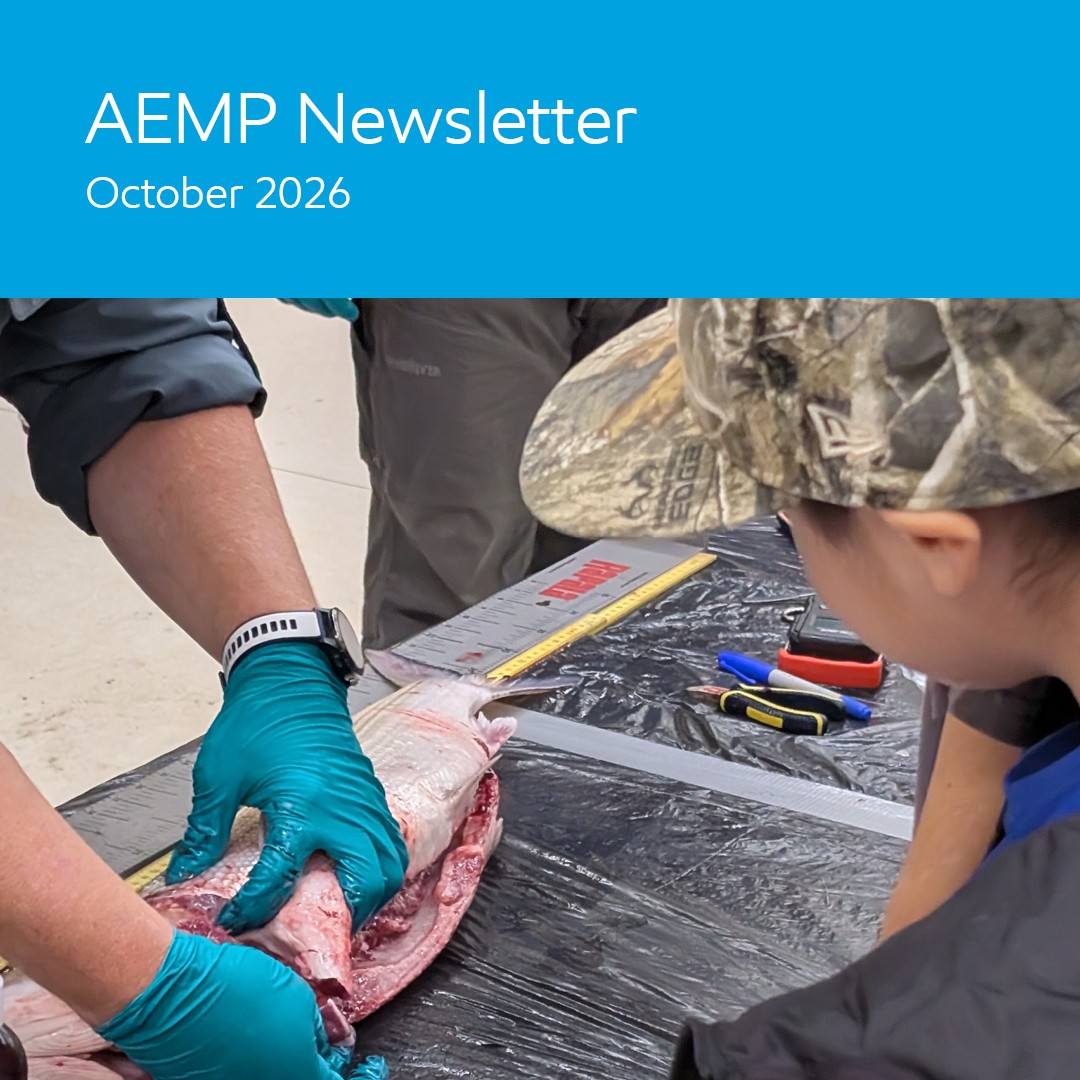
October 2026
-
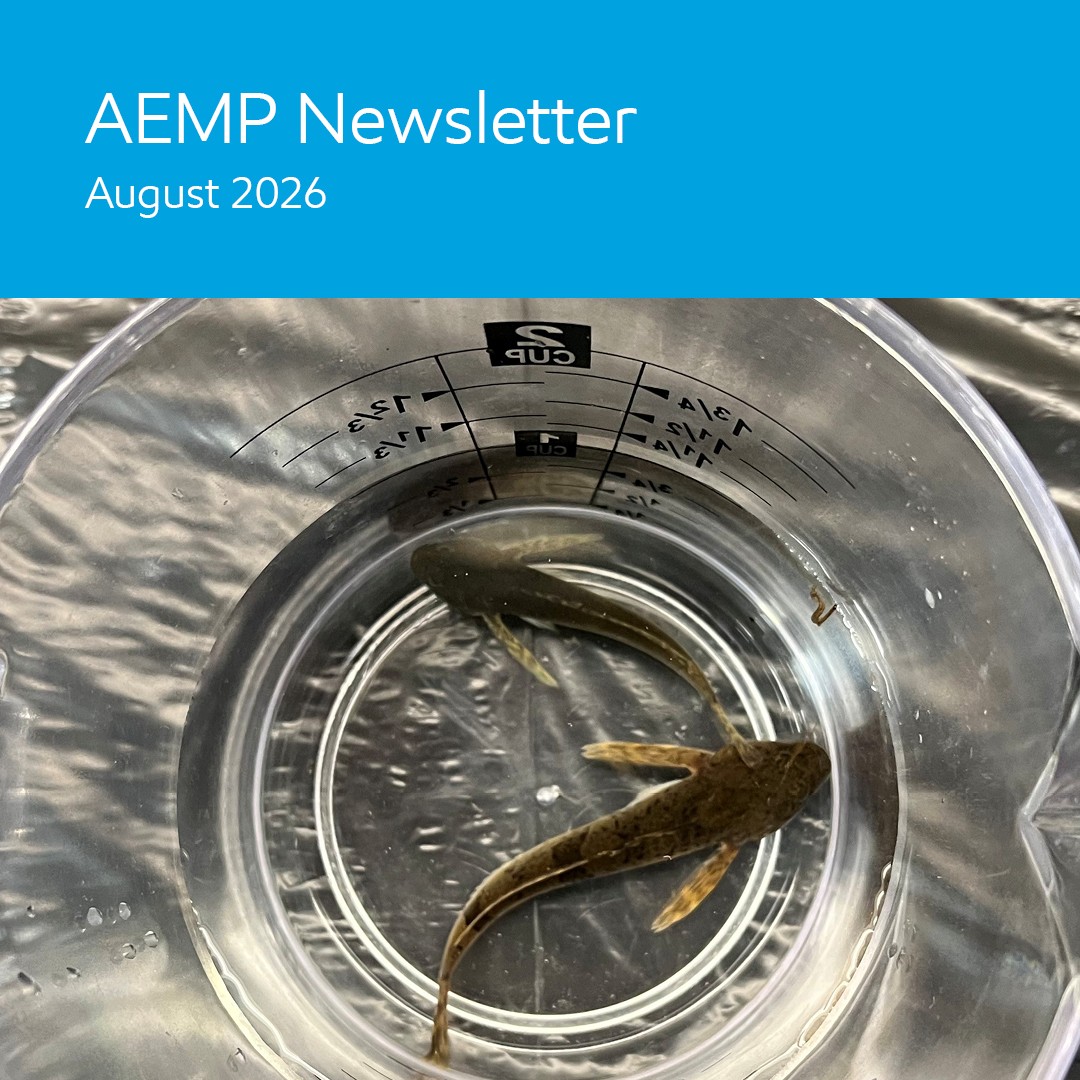
August 2026
-
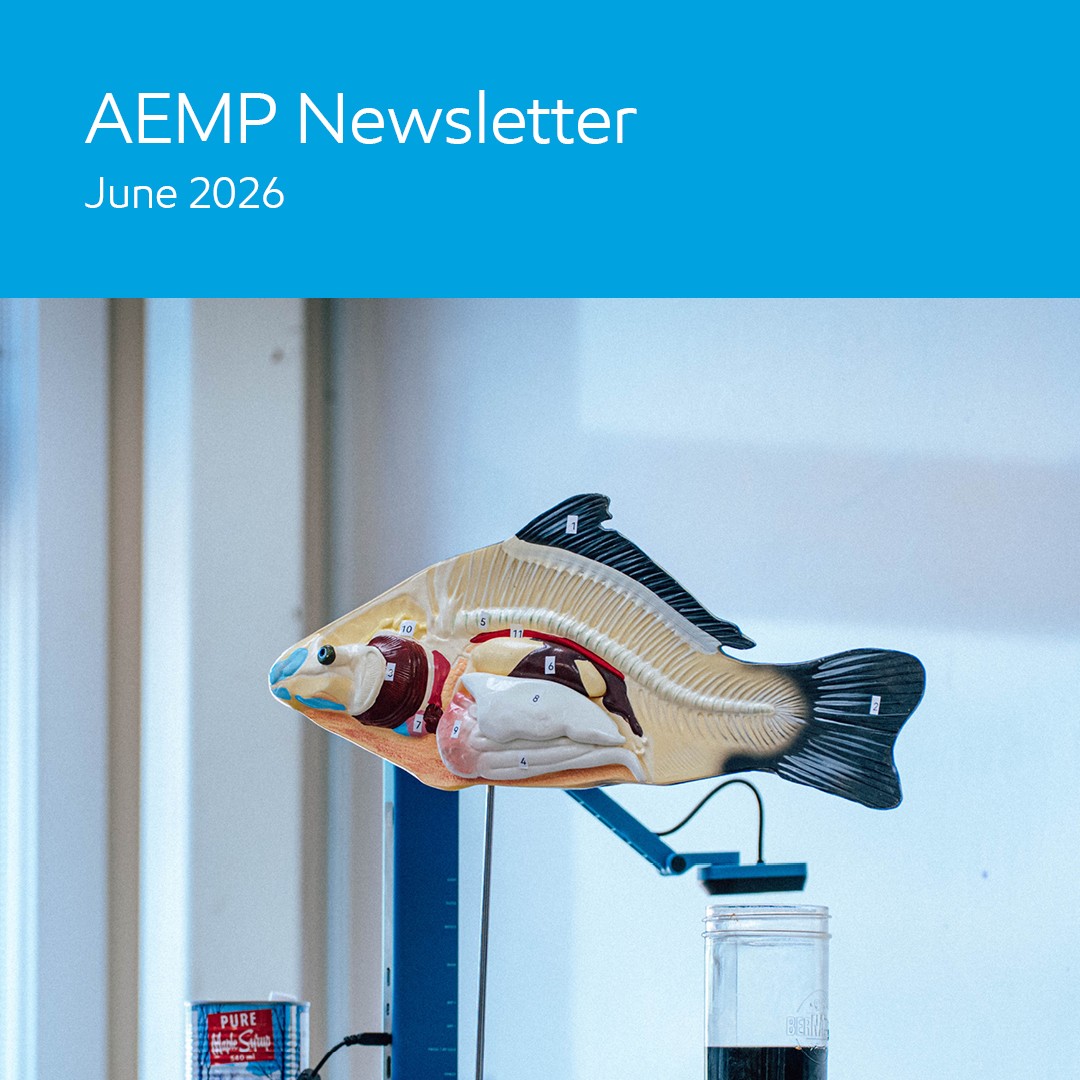
June 2026
-
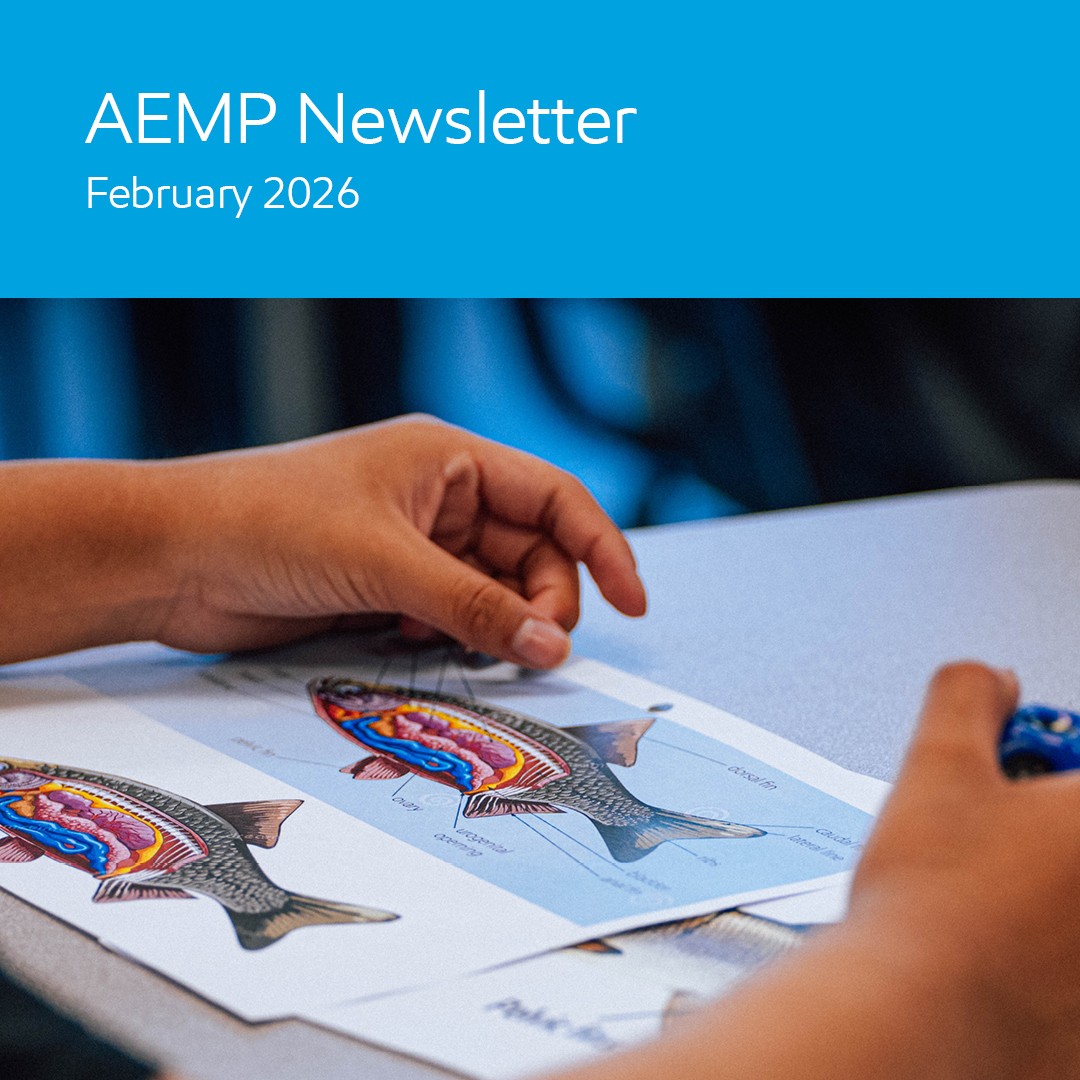
February 2026
The Aquatic Effects Monitoring Program includes three main parts:
1. Water monitoring
- Water samples are collected from the Mackenzie River and Bosworth Creek several times a year.
- Scientists test the water for a range of substances, including naturally occurring minerals, metals, and oil-related compounds.
- This information helps identify changes in water quality over time and identify if activities at the site are affecting nearby water bodies.
2. Small fish study in Bosworth Creek
- The study looks at the health of slimy sculpin, a small fish species that can help indicate the overall health of the aquatic environment.
- Scientists examine factors such as fish growth, body condition, reproduction, and whether fish have been exposed to certain substances in the environment.
- Results help show whether fish living near the site are healthy and whether conditions are changing over time.
3. Community-based fish monitoring
- This study focuses on larger fish that are important for food and cultural use, such as coney and whitefish.
- Community members in Tulita, Norman Wells, and Fort Good Hope can participate by sharing fish caught during regular harvesting activities.
- Information is collected on fish size, condition, and overall health.
- Community participation helps combine local knowledge with scientific monitoring to better understand the health of fish populations in the region.
- We need you! Contact us with observations from your community. Use this form if you would like to participate in the study.
Together, these studies help build a better understanding of the health of local waters and fish and support informed decision-making as closure planning moves forward. View materials from recent sessions.
What happens next?
The information collected through the Aquatic Effects Monitoring Program is reviewed each year to help understand the health of local waters, fish, and aquatic life. Results are compared against established guidelines and previous year’s results to identify any changes or concerns that may need further attention.
If monitoring shows changes, additional studies may be carried out to better understand what is happening and whether further action is needed. Monitoring will continue as the Norman Wells site moves from production into closure planning and future site care activities. This ongoing work helps track environmental conditions over time and provides information to support future decision-making.
Ongoing participation from communities remains an important part of the program. Community knowledge, feedback, and involvement help strengthen monitoring efforts and contribute to a better understanding of the land, water, fish, and wildlife in the region.

Norman Wells closure
The closure project is a decades-long, community-involved process that prioritizes safety, environmental care, and Northern and Indigenous benefits.